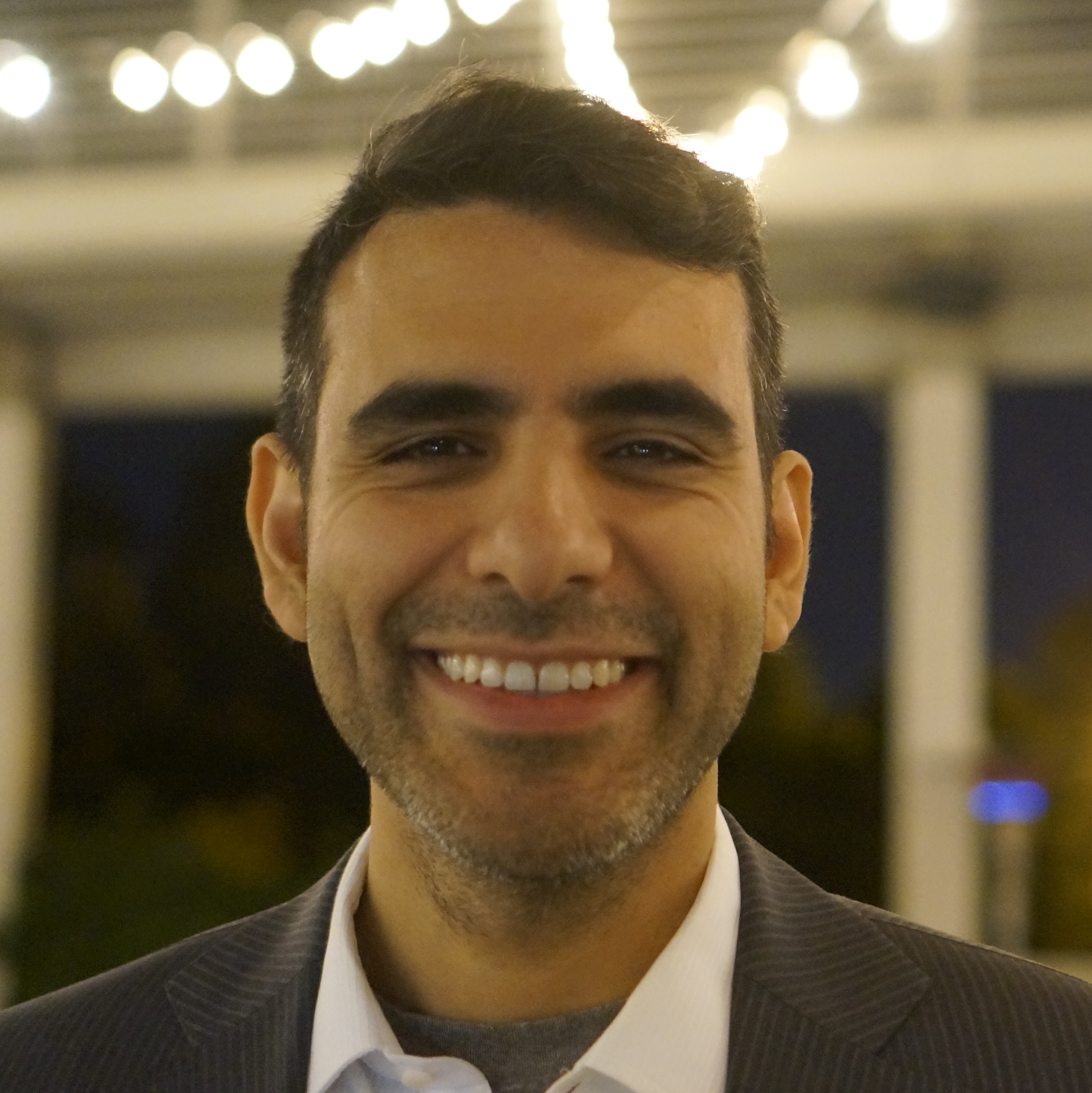
About
I am an Assistant Professor at the College of Information and the Criminology and Criminal Justice department at the University of Maryland.
My research sits at the intersection of computational methods, criminal justice, and the integrity of empirical evidence. I work on two broad problems: understanding when and how machine learning and algorithmic tools actually help in high-stakes policy contexts, and building the computational infrastructure—methods, tools, and systems—that makes trustworthy empirical research possible.
My work on prediction and prevention in criminal justice—particularly in domestic violence, gun violence, and pretrial reform—reveals a more nuanced reality than either ML advocates or critics claim: machine learning has limited impact for direct intervention, and can sometimes be counterproductive, but is genuinely valuable for measurement and enabling better science.
I also study the reliability of empirical evidence itself, including detecting p-hacking and questionable research practices in clinical trials and the social sciences, and quantifying how researcher decision-making shapes causal estimates. This work connects to a broader effort to build computational tools that support rigorous policy evaluation at scale, from record linkage methods for administrative and historical data to AI-powered systems for measuring policy changes across jurisdictions.
I was previously a Research Director at the New York City office of Crime Lab, a University of Chicago research institute that partners with civic and community leaders to design, test, and scale evidence-based programs to reduce crime and violence. I finished my Ph.D. in Computer Science at New York University’s Tandon School of Engineering in January 2017.